
What is prehnite?
Prehnite is a calcium aluminium silicate that often forms soft, rounded, grape-like clusters in cavities in volcanic rock. Polished, it has a gentle, glowing translucency — pale green, apple green or a yellow-tinged green — that seems lit from within. In crystal tradition, prehnite meaning is tied to unconditional love, and especially to caring for the people who care for others.
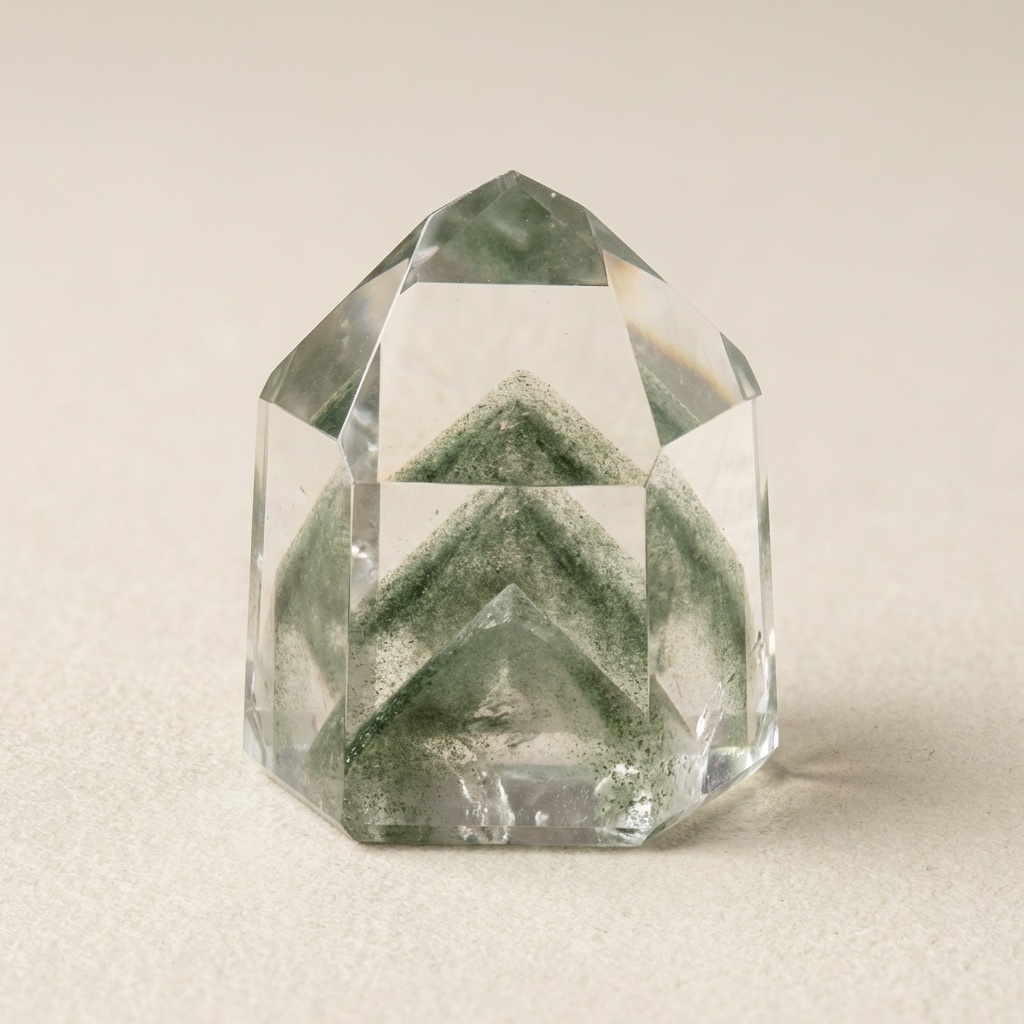
Its Chinese name, 葡萄石 (pú táo shí), means “grape stone”, after those bubbly clusters. Many beads and cabochons also contain dark green to black needles of epidote, a combination particularly associated with Mali. Prehnite is named after Hendrik von Prehn, a Dutch colonial officer who brought specimens to Europe from the Cape of Good Hope in the eighteenth century; today it comes from Australia, Mali, South Africa and China.
Prehnite meaning
Prehnite is known in crystal tradition as the “stone of unconditional love”, but its particular reputation is for “healing the healer” — supporting the people who spend their days looking after others. It is often chosen by nurses, teachers, carers, parents of young children and anyone who is always the one others lean on, and it is said to replenish that giving energy and restore a sense of inner peace.
Just as importantly, prehnite is traditionally said to help you say no without guilt. Where other love stones soften the heart, prehnite is believed to help you set kind, clear boundaries, so that care for others does not come at the cost of care for yourself. It is linked with the heart and solar plexus chakras — love and personal will together — and is associated in crystal lore with calm and with trust in your own judgement.
How to wear prehnite
Wear prehnite on your left hand. In crystal practice the left is the receiving side, so a prehnite bracelet on the left wrist is said to help you take in its calm, replenishing energy. It is a lovely stone to wear through long, giving days — a hospital shift, a school term, a week of looking after family.
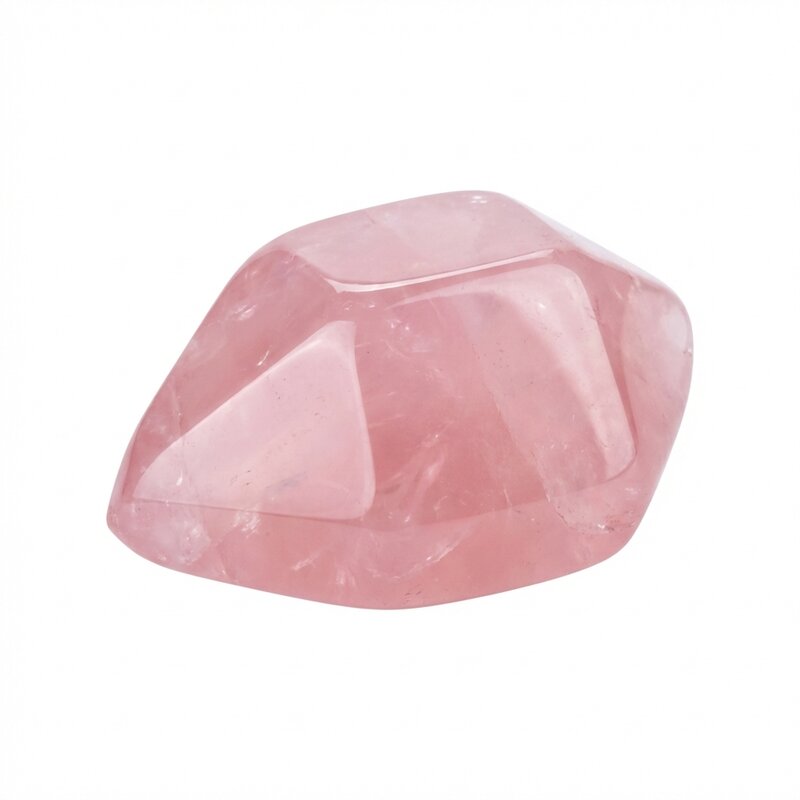
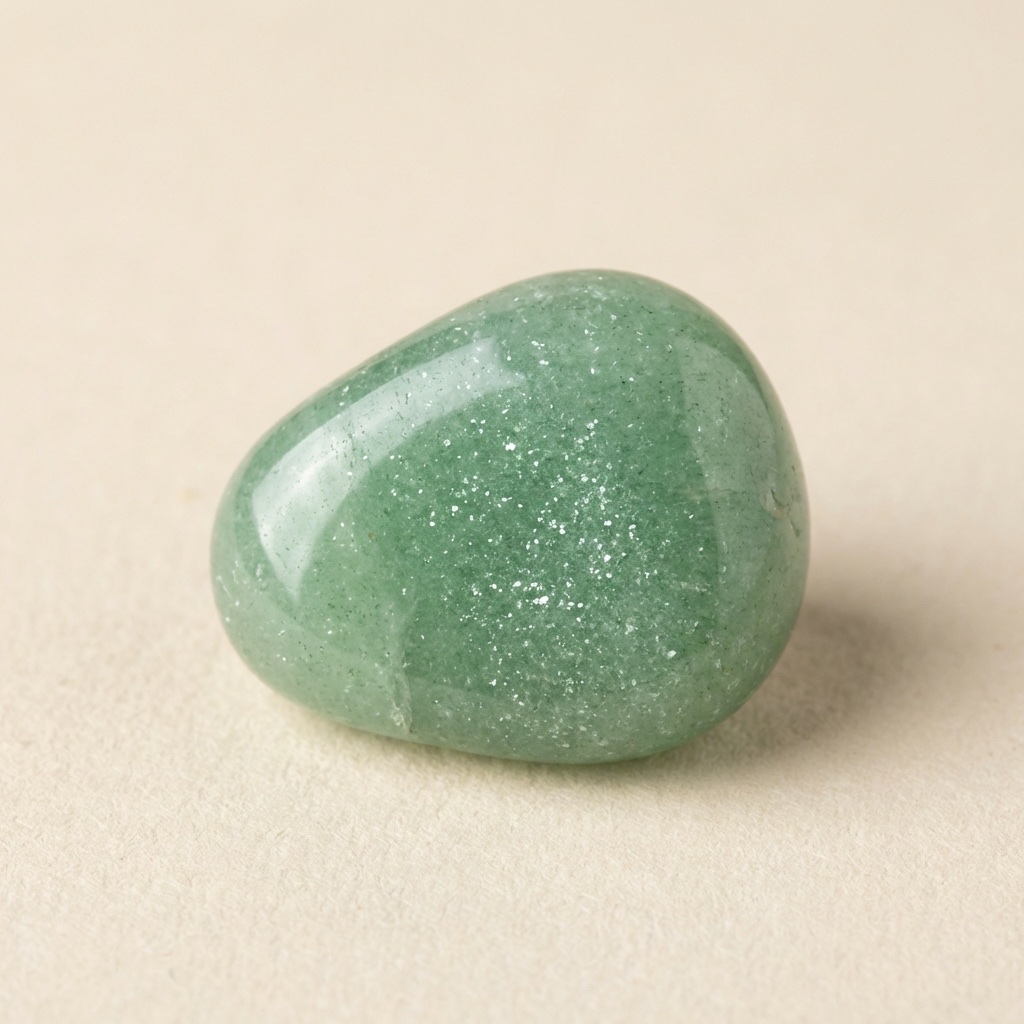
Prehnite pairs beautifully with rose quartz for self-kindness, with amazonite for keeping calm under pressure at work, and with green aventurine for fresh starts. If you already wear a protective stone such as black tourmaline, prehnite adds a softer, heart-centred note. Our guide to which wrist to wear a crystal bracelet on explains the left–right tradition.
Choosing a prehnite bracelet
Good prehnite has an even, luminous colour and a glassy to pearly glow. Slight cloudiness is natural and part of its soft look. Pieces with epidote show dark needles or sprays inside the green, and many people love them for the contrast; neither style is better, it is simply a matter of taste. When comparing strands, look for beads of a similar tone and a smooth, bright polish.
Prehnite is a meaningful gift for anyone in a caring role: a nurse, a new mother, a teacher at the end of a long year, or the friend who always turns up for everyone else. Its fresh green suits both silver and gold, and it is gentle enough in colour to wear every day. For more ideas, see our guide to meaningful crystal gifts in Singapore.
Caring for prehnite
At 6 to 6.5 on the Mohs scale, prehnite is fine for regular wear but a little softer than quartz, so it benefits from gentle handling.
- Clean gently. Wipe with a soft, damp cloth and dry well; avoid harsh chemicals and ultrasonic cleaners.
- Avoid knocks and heat. Take it off for sport and housework, and keep it away from hot surfaces.
- Mind the elastic. In Singapore’s humidity, remove bracelets before swimming or showering, and restring them when the cord slackens.
Store prehnite apart from harder stones to keep its soft polish. If you like to cleanse your crystals, moonlight or a little incense smoke suits it well; see our guide on how to cleanse crystals.
Crystal meanings are shared from tradition and folklore for reflection and enjoyment; they are not a substitute for medical or professional advice.