
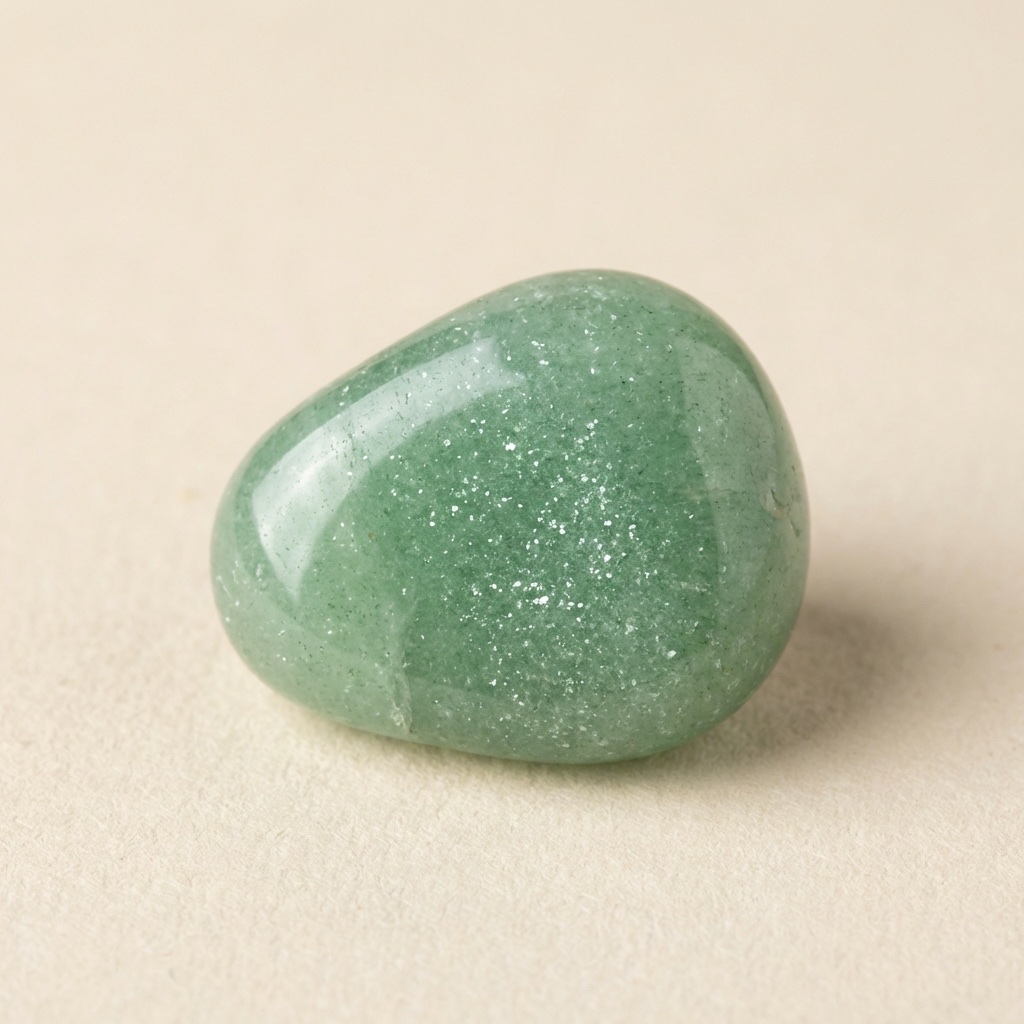
What is green aventurine?
Green aventurine is a form of quartz, and in Singapore it is one of the most loved crystals for luck and prosperity. Its colour comes from tiny plates of fuchsite, a green, chromium-bearing mica, scattered through the stone. When light catches them they give off a soft glitter known as aventurescence, the effect the stone is named for.
The name has a charming history. It comes from the Italian a ventura, “by chance”, after a sparkling glass that Venetian glassmakers are said to have discovered by accident; the natural stone was later named after the glass. Most green aventurine comes from India, which is why it is sometimes sold as “Indian jade”, although it is not jade at all. In Chinese it is 东陵玉 (dōng líng yù); the final character, 玉, is used for jade and for fine jade-like stones.
Green aventurine meaning
In crystal lore, green aventurine is known as the “gambler’s stone” and is thought to be one of the luckiest of all crystals, especially for opportunity, prosperity and wealth. Its green is the colour of growth, and it is said to encourage optimism, a willingness to try, and the good humour to keep going when things take time. It is also linked with the heart chakra, so many people wear it for a sense of calm and openness as much as for luck.
The nickname is folklore, not a strategy: no stone can change the odds, and green aventurine should never be relied on for gambling. Many wearers prefer to think of it as a companion for the moments when chance and preparation meet, such as an interview, a pitch, a first day or a new business. It is a gentle, cheerful stone and a popular choice for a first crystal.
How to wear green aventurine
Wear green aventurine on your left hand. In crystal practice the left side is the receiving side, so a green aventurine bracelet on the left wrist is said to help you welcome new opportunities. Because it is hard-wearing and easy to match, it suits everyday wear, alone or stacked with other strands. It also makes a fitting gift for someone about to start a new job or open a business, as a small token of good wishes.
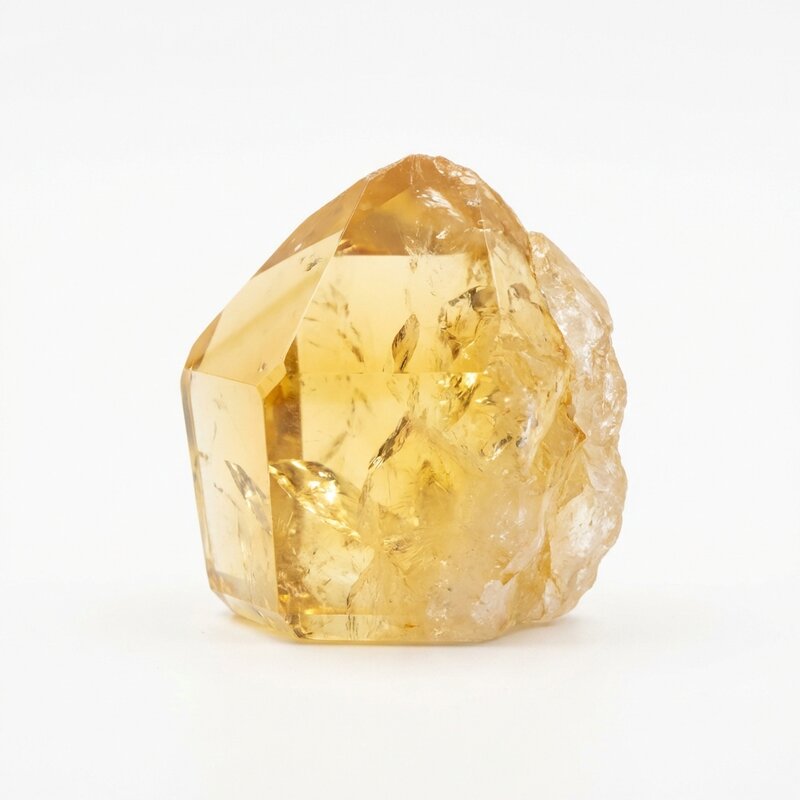
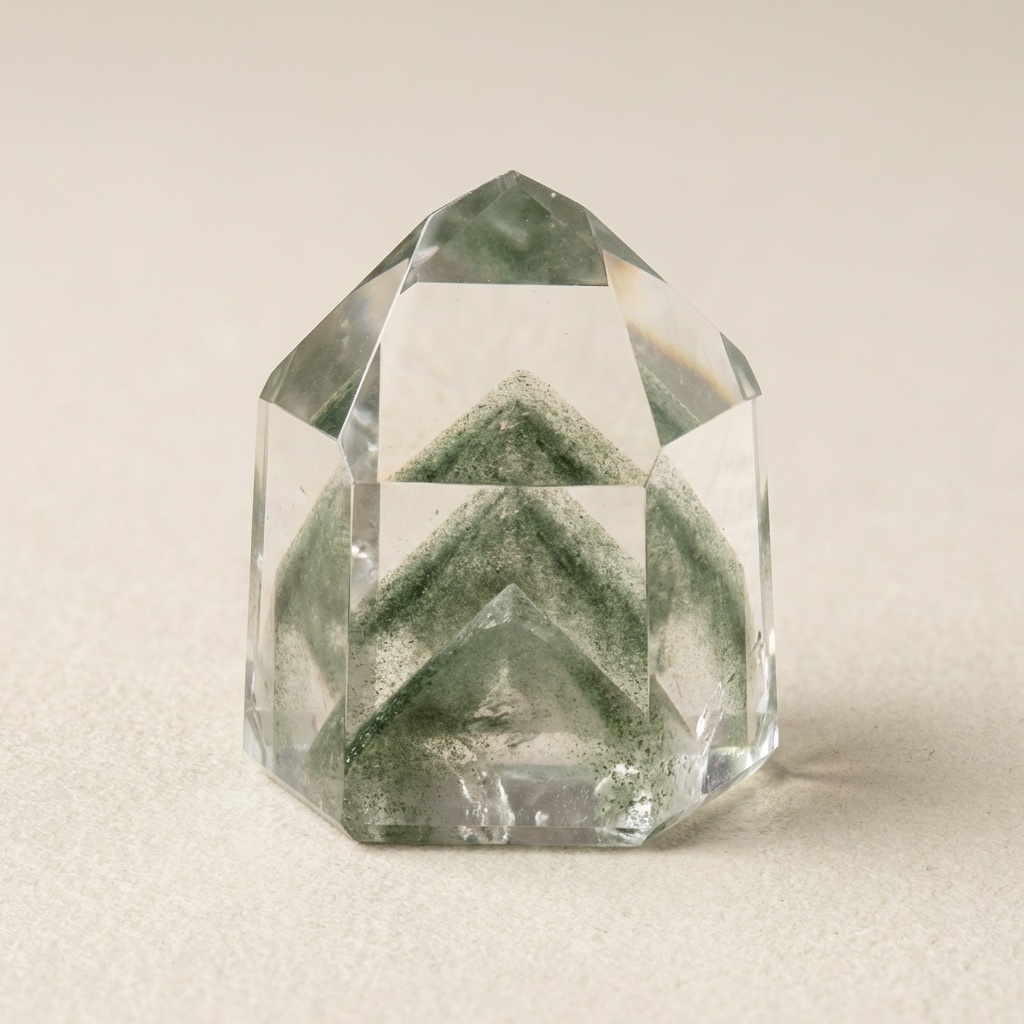
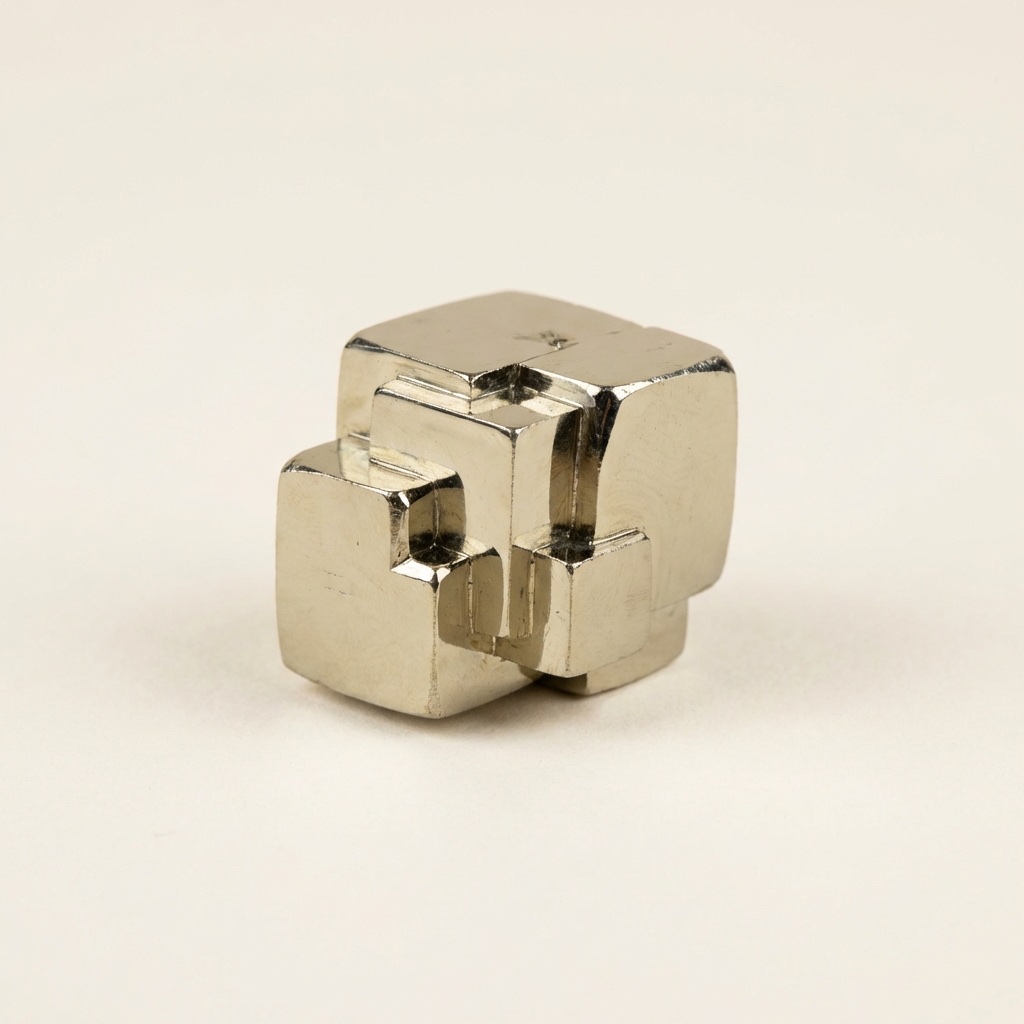
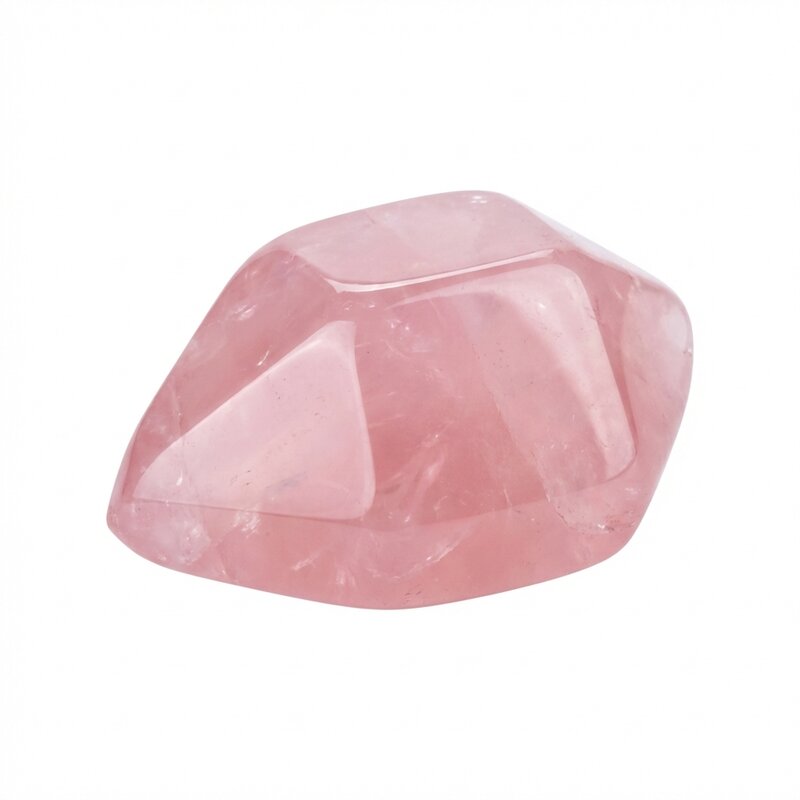
It pairs naturally with the other wealth stones: citrine for confidence and abundance, pyrite for action, and green phantom quartz for steady, earned growth. With rose quartz, it makes a soft, heart-centred combination. If this is your first crystal bracelet, our guide to choosing your first crystal bracelet may help.
Green aventurine in feng shui
In feng shui, green belongs to the wood element, which is associated with growth. That makes green aventurine a natural choice for the south-east of a home or office, the area traditionally linked with wealth and abundance. A small bowl of tumbled green aventurine on a desk, or near the entrance of a shop, is a simple and common placement.
Some people also keep a piece in a wallet or bag as a pocket token. As with any feng shui practice, it is traditionally paired with a tidy, cared-for space and a clear intention. Our guide to feng shui crystals for wealth explains how it fits alongside citrine, pyrite and jade. Its soft green is also an easy companion for jade itself, the stone most closely tied to prosperity in Chinese culture; our guide to jade jewellery explains how to choose a piece to pair with it.
Caring for green aventurine
At 6.5 to 7 on the Mohs scale, green aventurine is durable enough for daily wear, though it can chip if knocked against a hard surface. Store it separately from harder stones and metal so the polish stays bright.
- Clean gently. Wipe with a soft, damp cloth and dry it well; keep perfume, sunscreen and lotion off the beads.
- Know the natural look. Very bright, perfectly uniform green beads are sometimes dyed, and dye can fade or rub off over time. Natural aventurine usually varies a little from bead to bead and shows a fine sparkle.
- Mind the elastic. In Singapore’s humidity, take bracelets off before swimming or showering, and restring when the elastic loosens.
Many people cleanse green aventurine from time to time with moonlight, incense smoke or a rest on a clear quartz cluster. Our cleansing guide explains how.
Crystal meanings are shared from tradition and folklore for reflection and enjoyment; they are not a substitute for medical or professional advice.