
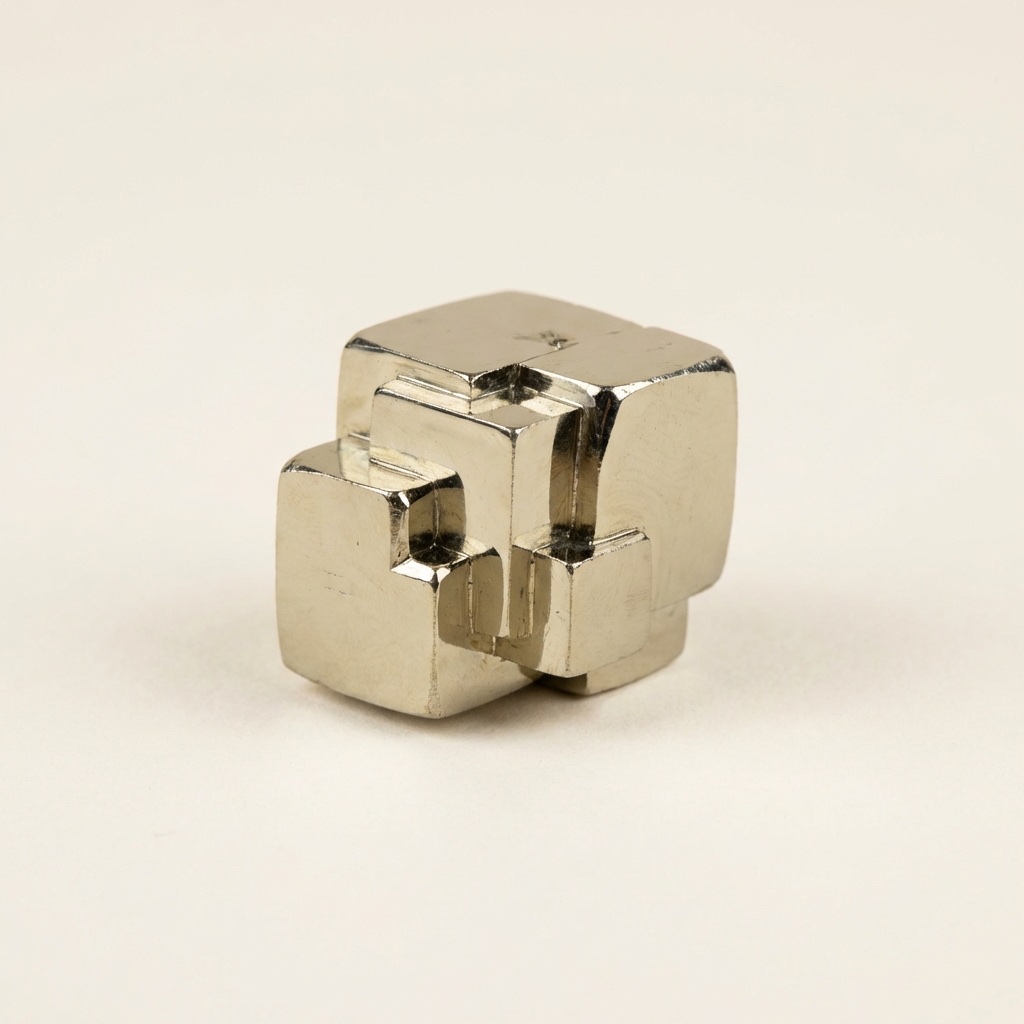
What is pyrite?
Pyrite is iron sulphide, a metallic mineral whose brassy shine has earned it the nickname “fool’s gold”. Its resemblance to gold fooled many a prospector, and in Chinese it is 愚人金, “fool’s gold”, too. Today it is prized in its own right, and in Singapore pyrite is a favourite desk stone for business and for feng shui wealth placements.
Pyrite often grows in near-perfect cubes, with faces so flat and sharp they look cut by hand, although they are entirely natural. It also forms glittering clusters and granular masses. The name comes from the Greek word for fire, because pyrite throws sparks when struck against steel. Well-known sources include Spain, famous for its cubes, Peru, Italy and China. The small, sparkling “marcasite” stones set in vintage silver jewellery are, in most cases, pyrite.
Pyrite meaning
In crystal tradition, pyrite is a stone of action and logic. It is associated with strategic thinking, discipline and follow-through: the practical side of success rather than wishful thinking. Many people keep it close when making business plans, negotiating or working towards a demanding goal. It is also traditionally said to shield against money worries, helping you approach financial decisions with a steadier, clearer head.
Its gold colour links it with the solar plexus chakra, the centre of will and confidence in crystal practice, and with prosperity in feng shui. There is a pleasing honesty in its nickname, too. Pyrite is a reminder that real value is built through effort and good judgement, not appearances. It is a symbol of that mindset, not a promise of any particular result.
How to use and wear pyrite
The traditional place for pyrite is on your desk or workspace. A pyrite cube or cluster beside your computer, cash register or planning notebook is said to keep its energy of focus and action where you do your work. Placed where it catches the light, it is also simply a beautiful object: a flash of natural gold on a busy desk.
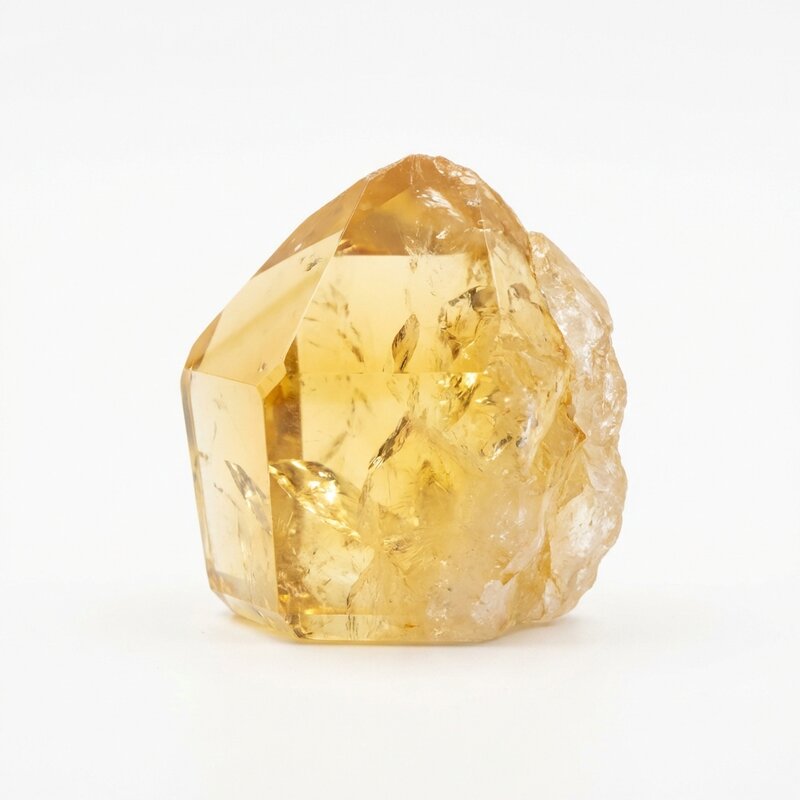
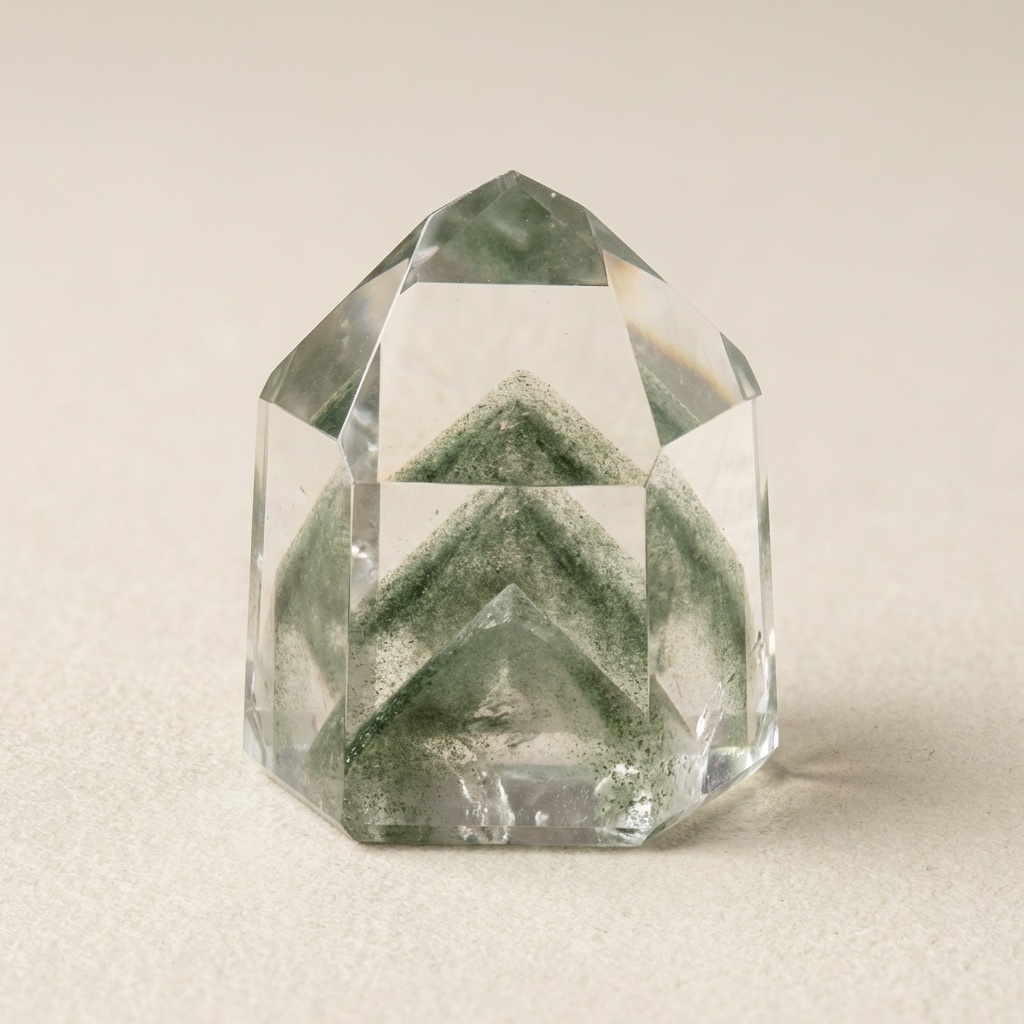
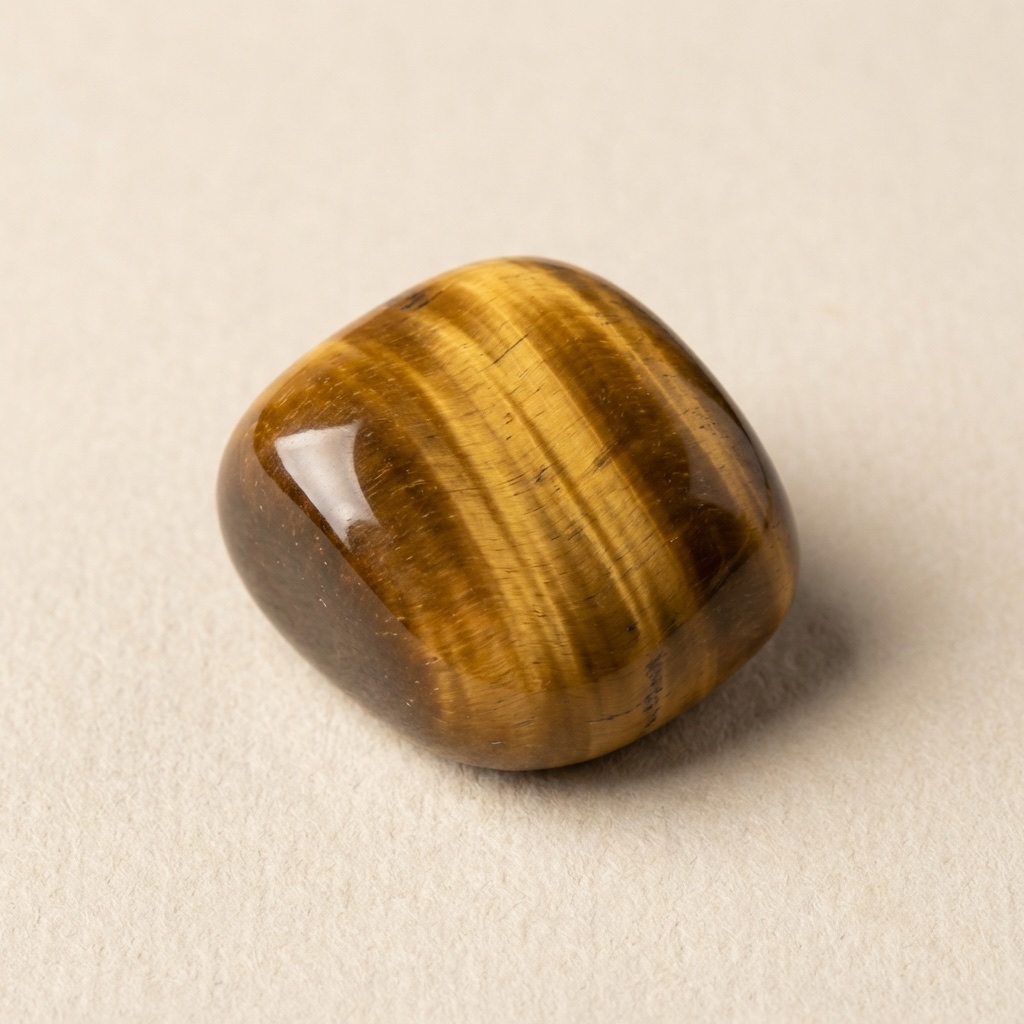
Pyrite can be worn as well, usually as beads or a pendant, and it pairs naturally with citrine for abundance, green phantom quartz for career growth and tiger’s eye for confidence. If you wear it, crystal practice usually places wealth stones on the left hand, the receiving side. Treat it as an occasional piece rather than a bracelet you never take off, because pyrite dislikes moisture.
Pyrite in feng shui
Pyrite is a popular feng shui crystal for wealth. Beyond the desk, a cluster or cube is traditionally placed in the south-east corner of a home or office, the area associated with wealth and abundance, or near the entrance of a shop or business. Its reflective surface is said to deflect negativity, and its natural cubes are read as a symbol of stability, the solid, four-square foundation a business is built on.
Choose one substantial piece rather than scattering many, keep it free of dust, and let it sit where you will see it every working day. At home, a small cluster on the desk of a study or home office serves the same purpose, and it sits well beside a citrine point as a combined symbol of action and abundance. For combinations with citrine and other stones, see our guide to feng shui crystals for wealth.
Caring for pyrite
Pyrite is 6 to 6.5 on the Mohs scale, but it is brittle and, more importantly, sensitive to moisture. Over time, damp conditions can make it tarnish, lose its shine or develop a dull, powdery crust as the iron sulphide oxidises. In Singapore’s humidity, a little care goes a long way.
- Keep it dry. Never soak pyrite or leave it in water, and skip water or salt cleansing methods.
- Dust, do not wash. Clean it with a soft, dry brush or cloth.
- Store it thoughtfully. Keep pieces away from bathrooms and damp corners; a closed box with a silica gel sachet helps in humid months. If you wear pyrite, take it off before exercise, swimming or showering.
For cleansing, dry methods such as moonlight, incense smoke or a rest on a clear quartz cluster are the kindest choice. Our cleansing guide explains more.
Crystal meanings are shared from tradition and folklore for reflection and enjoyment; they are not a substitute for medical or professional advice.