
What is seraphinite?
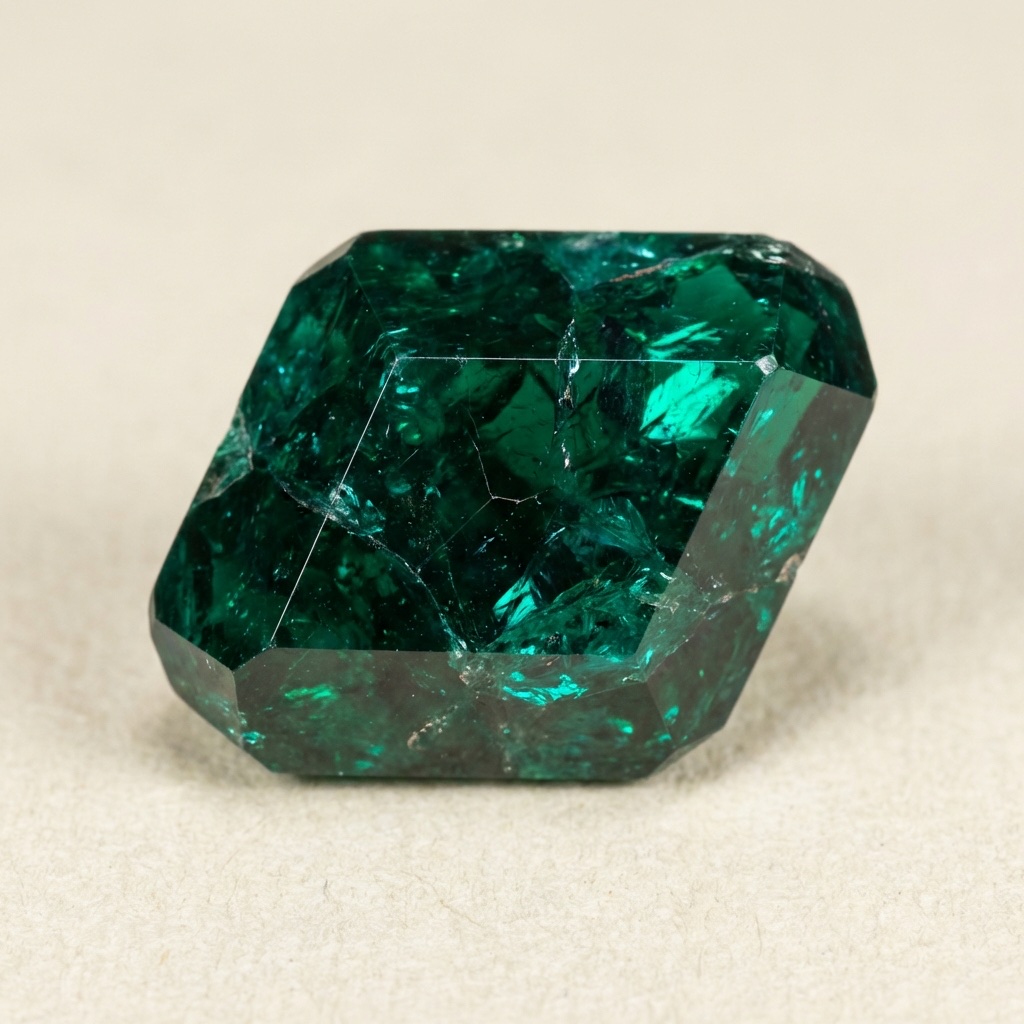
Seraphinite is a variety of clinochlore, a member of the chlorite group of minerals. Polished, it shows a deep green body crossed by silvery, feather-like patterns that shimmer and shift as the stone moves — the play of light on its fine, fibrous structure. Those feathers gave it its trade name, from the seraphim, the six-winged angels of scripture, and they sit at the heart of seraphinite meaning in crystal tradition.
Gem-quality seraphinite comes from the Lake Baikal region of eastern Siberia, which is why fine pieces are not often seen. The Chinese name, 斜绿泥石 (xié lǜ ní shí), is the mineral name for clinochlore: lǜ ní shí, literally “green mud stone”, is the Chinese term for chlorite, and xié, “inclined”, echoes the “clino” in clinochlore. Because it is soft and must be cut carefully to show its feathers, it is usually made into cabochons, pendants and polished pieces rather than faceted gems.
Seraphinite meaning
With its feathered shimmer, seraphinite is associated in crystal lore with angel wings, and it is traditionally regarded as a stone of spiritual connection and gentle guidance. It is also said to bring a sense of order to chaos: to help you step back from overwhelm, see how the pieces fit together and move forward with calm purpose.
Seraphinite is linked with the heart chakra, where its green belongs, and with the crown. In crystal tradition it is believed to encourage self-acceptance and renewal, and to help bring everyday life into line with your deeper values. Many people keep it close during a period of reflection or at the start of a new chapter, rather than for one specific goal.
How to wear seraphinite
The traditional advice is to wear seraphinite over the heart. A pendant on a chain that rests at the centre of the chest keeps it where crystal practice places its energy, and shows the stone’s shimmer at its best as you move. Because seraphinite is soft, a pendant is also the most practical way to wear it: it is protected from the knocks that rings and bracelets receive.
Seraphinite pairs naturally with other heart stones such as rose quartz and prehnite, and with its companions among the high-vibration stones in our guide, moldavite and Super Seven. A silver setting complements its silvery feathers; our guide to caring for 925 silver will help keep the metal bright.
Choosing seraphinite
The best seraphinite has a rich, deep green and bright, well-defined silver feathers that move clearly as you tilt it. Duller pieces, or those with more grey than green, are more common and more affordable. Because the shimmer depends on how the stone was cut, turn any piece slowly under light before you choose; the difference between a flat stone and a lively one is obvious in person.
Seraphinite makes a thoughtful gift for someone at a turning point: a graduation, a new home, a fresh start after a difficult year, or the beginning of a spiritual practice. Present it with a note to wear it over the heart; it turns a pendant into a small ritual. For more ideas, see our guide to meaningful crystal gifts in Singapore.
Caring for seraphinite
Seraphinite is soft — about 2 to 4 on the Mohs scale, depending on the piece — and it can be scratched by harder materials, including other stones and even household dust. It needs more gentle care than most jewellery.
- Keep it dry. Wipe it with a soft, dry cloth; do not soak it, and avoid salt, steam and ultrasonic cleaners.
- Store it on its own. Keep it in a soft pouch, away from other jewellery that could scratch the polish.
- Put it on last. Apply perfume, lotion and sunscreen first, and take the pendant off for sport, swimming and sleep.
If the surface loses its shine over time, a jeweller can often re-polish it. For cleansing, choose gentle, dry methods such as moonlight or sound; see our guide on how to cleanse crystals.
Crystal meanings are shared from tradition and folklore for reflection and enjoyment; they are not a substitute for medical or professional advice.