
What 925 actually means
“925” is a statement about metal content: the piece is 92.5 per cent pure silver. The remaining 7.5 per cent is another metal, usually copper, added because pure silver is too soft for jewellery that is worn every day. That alloy is sterling silver, and you will usually find a small “925” stamp on a clasp, a ring band or an earring post.
It helps to know sterling from its lookalikes. Silver-plated jewellery has only a thin layer of silver over a base metal such as brass or copper; polish it too hard and the plating wears through. Silver-tone describes a colour, not a metal, and usually means there is no silver in it at all. Some sterling pieces are also finished with a very thin layer of rhodium, a bright white metal of the platinum family that resists tarnish; treat those gently too, as abrasive polishing can wear the plating away over time.
Why silver tarnishes — and why faster here
Tarnish is not dirt, and it is not a sign that your silver is fake. It is a thin film of silver sulphide that forms when silver reacts with sulphur compounds in the air. It starts as a faint golden warmth, deepens to brown and, left long enough, turns almost black. Because it sits on the surface, it can be polished away.
Moisture speeds the reaction, which is why silver seems to darken so quickly in Singapore, where the air is humid all year round. So do many things we touch every day:
- Sweat, which is salty and can be slightly acidic — a run, a gym session or simply a hot afternoon outdoors.
- Perfume, hairspray, lotion and sunscreen, which leave a film on the metal.
- Chlorine in swimming pools, spas and household bleach, which can discolour silver quickly and, with repeated exposure, damage the surface.
- Rubber, including rubber bands and some drawer liners, which contains sulphur.
- Sulphur-rich foods such as eggs and onions.
The everyday routine
The best care is mostly habit. Last on, first off: put jewellery on after perfume, make-up and sunscreen, and take it off before exercise, swimming, housework or a shower. After wearing, give each piece a quick wipe with a soft, dry cloth to remove skin oils and moisture before you put it away.
Then, simply, wear it often. Silver that is worn regularly tends to stay brighter than silver left in a drawer, because gentle everyday contact keeps a film from building up. A ring you wear daily may never need more than a wipe; it is the necklace saved for weddings that comes out brown.
Cleaning tarnished silver
Start with the gentlest method and move on only if you need to.
- A silver polishing cloth. These cloths are treated with a mild polishing compound and lift light tarnish in seconds. Rub back and forth along the surface rather than in circles, and keep the cloth off any stones. Don’t wash it; it will simply darken as it works.
- A gentle soap wash. For grime or heavier tarnish on plain silver, soak for a few minutes in lukewarm water with a drop of mild dishwashing liquid, clean the crevices with a very soft toothbrush, rinse, and dry thoroughly with a soft cloth. Water left in chains and settings can leave spots.
- A jeweller. Very dark, intricate or valuable pieces are best cleaned professionally.
Avoid toothpaste and baking-soda scrubs, which are abrasive and leave fine scratches. Be wary of liquid silver dips, too: they are fast but harsh, and they will also strip the deliberately darkened finish that some designs use to pick out detail.
Stone-set silver needs extra care
Many silver pieces are set with gemstones, and then the stone, not the metal, sets the rules. Never use dips, soaking or an ultrasonic cleaner on soft or porous stones — turquoise, opal, pearl, coral, malachite and lapis lazuli among them — as they can absorb liquids and chemicals, discolour or lose their polish. Peridot is harder, but it can be etched by acids, so keep dips well away from it too.
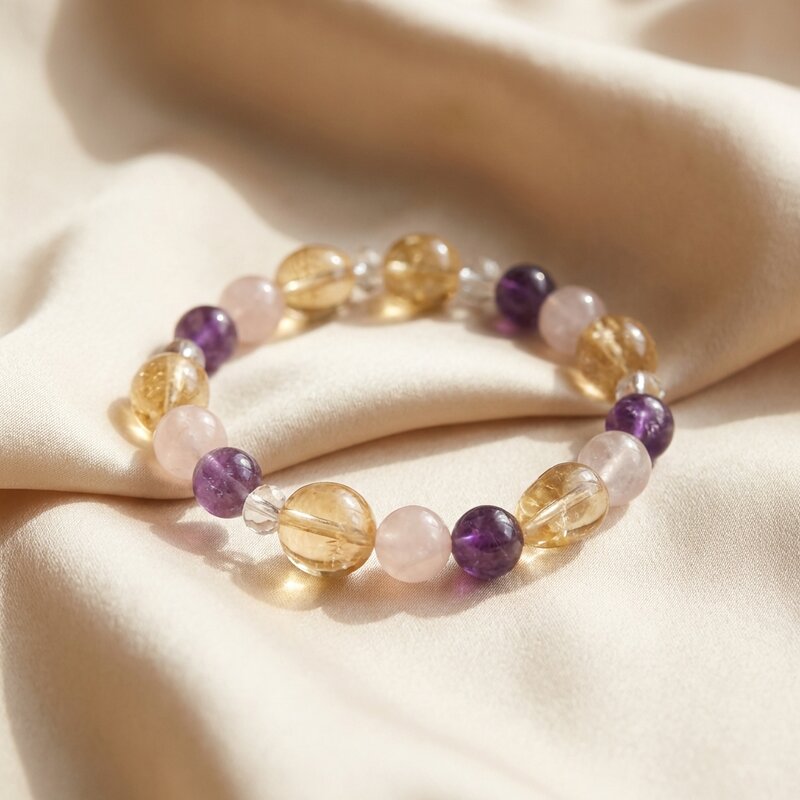
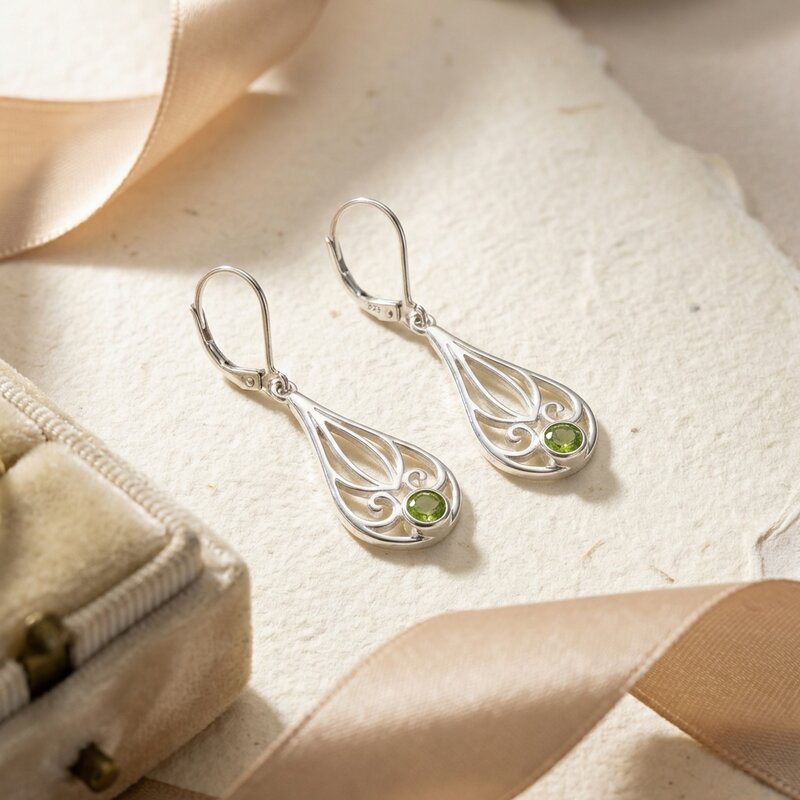
For stone-set earrings, such as peridot teardrops in 925 sterling silver, a polishing cloth on the metal and a soft, barely damp cloth over the stone is all you need. Crystal bead bracelets should not be soaked either; in Singapore’s humidity the elastic lasts longer when it is kept dry, so take bracelets off before swimming or showering. For caring for the stones themselves, see how to cleanse crystals, including methods that keep them completely dry.
Check the small parts now and then
Every few months, look closely at the parts that do the work: clasps, jump rings, earring hooks and the claws or bezels that hold any stones. Sterling silver is a relatively soft metal, so a claw can lift or a jump ring can open slightly over time, especially on pieces worn every day. A loose stone is far easier to secure than to replace, so if anything moves when you touch it, stop wearing the piece and take it to a jeweller.
Chains deserve a moment too. Lay a chain flat and run it through your fingers: kinks and knots strain the links, and are easier to ease out while they are small. Fasten necklaces before you put them away, and they will not tangle in the first place.
Storing silver in a humid climate
Air and moisture are what you are guarding against, so storage matters more in Singapore than in drier places.
- Seal it. Keep each piece in its own small zip-lock or airtight bag, pressing out the air. Separate bags also stop chains tangling and harder stones scratching the metal.
- Add an anti-tarnish strip. These absorb sulphur compounds from the air around your silver; replace them as the packet directs.
- Add silica gel. The little sachets that come with new shoes and bags absorb moisture, and a fresh one in your jewellery box makes a real difference in the rainy months.
- Choose the right spot. A drawer in an air-conditioned bedroom is better than a bathroom shelf, where steam and toiletries speed up tarnish.
- Keep rubber away. Don’t bundle chains with rubber bands or store silver on rubber mats.
Store crystal jewellery the same way, apart from harder stones and metal pieces. A few minutes of care keeps sterling bright for years; our guides to silver earrings and gemstone rings cover choosing and wearing them.
Crystal meanings and feng shui are shared from tradition for reflection and enjoyment; they are not a substitute for medical, financial or professional advice.