
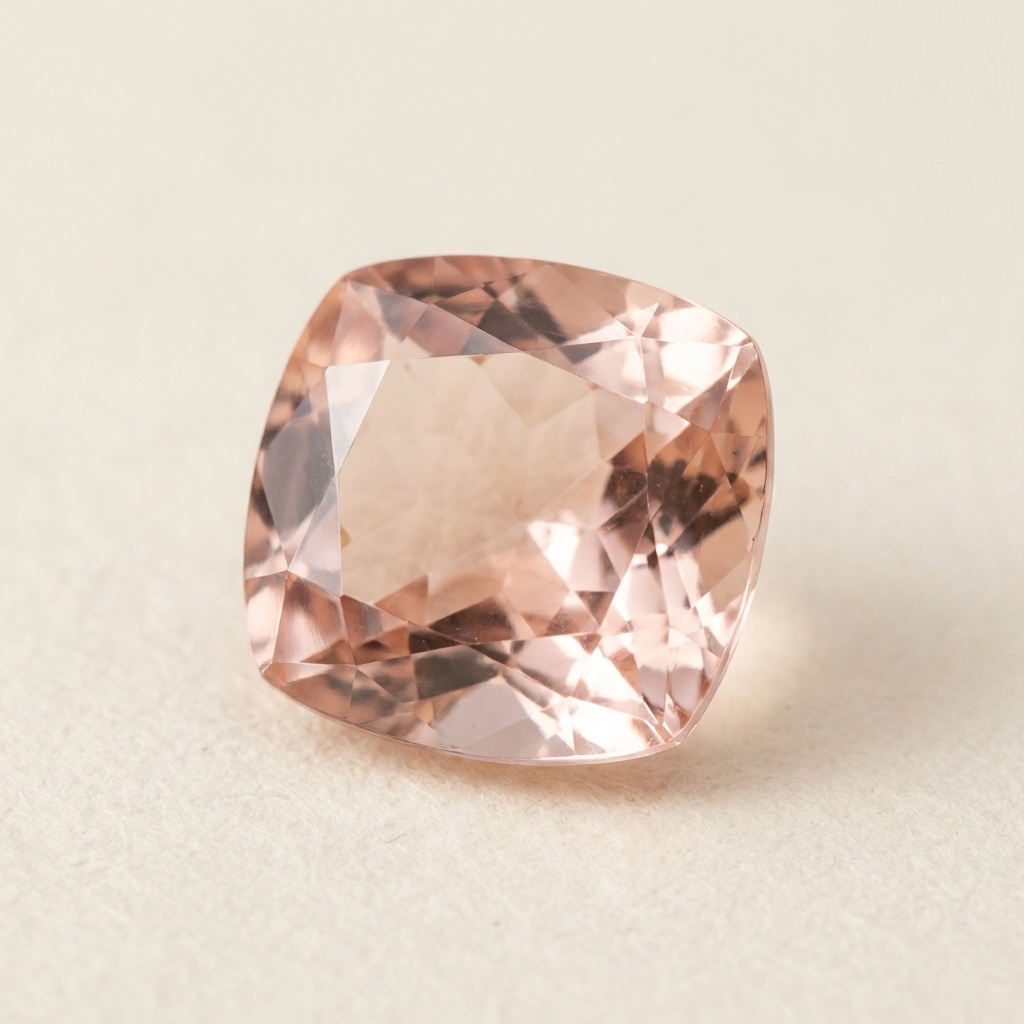
What is morganite?
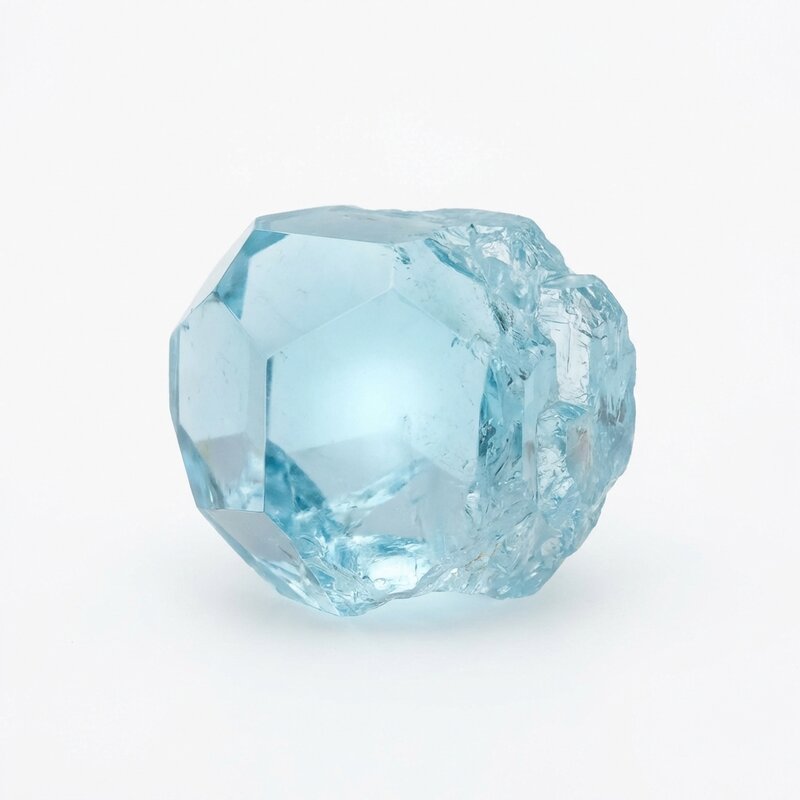
Morganite is the pink to peach variety of beryl, the same mineral as aquamarine and emerald. Traces of manganese give it its delicate colour, which ranges from pale blush to warm salmon. It was named in 1911 by George F. Kunz, Tiffany’s celebrated gemmologist, in honour of the banker and gem collector J. P. Morgan, after new finds in Madagascar.
Today it comes mainly from Brazil, Madagascar, Afghanistan and Mozambique. Much morganite is gently heated to remove yellowish tones and leave a cleaner pink, a stable and widely accepted treatment. At 7.5 to 8 on the Mohs scale it is one of the harder crystals you can wear, which is why clear, faceted morganite has become a favourite for engagement rings, while milkier material is cut into beads and cabochons for bracelets.
Morganite meaning
In crystal tradition, morganite is a stone of love — specifically, love that is fair and equal. It is traditionally believed to attract relationships built on mutual respect, where both people give and receive in balance. That makes it a favourite for anyone tired of “fixing” partners or carrying a relationship alone; morganite is said to represent the mature, steady partnership that can follow once those lessons have been learned.
It is linked with the heart chakra and associated with compassion, patience and speaking kindly from the heart. Its Chinese label, 神圣之爱 (shén shèng zhī ài), means “sacred love”; the gem itself is called 摩根石 (mó gēn shí) in Chinese, after J. P. Morgan. Where rose quartz nurtures love in general, morganite is often described as its more grown-up counterpart.
How to wear morganite
Wear morganite on your left hand. In crystal practice the left is the receiving side, so a morganite bracelet on the left wrist is said to help you welcome balanced, reciprocal love. For a ring, the left hand carries the same symbolism — one reason morganite engagement rings feel so fitting. Many people wear it daily as a reminder of the kind of relationship they want; for a couple, matching pieces make a shared token of the balance they are building. See which wrist to wear a crystal bracelet for more on left and right.
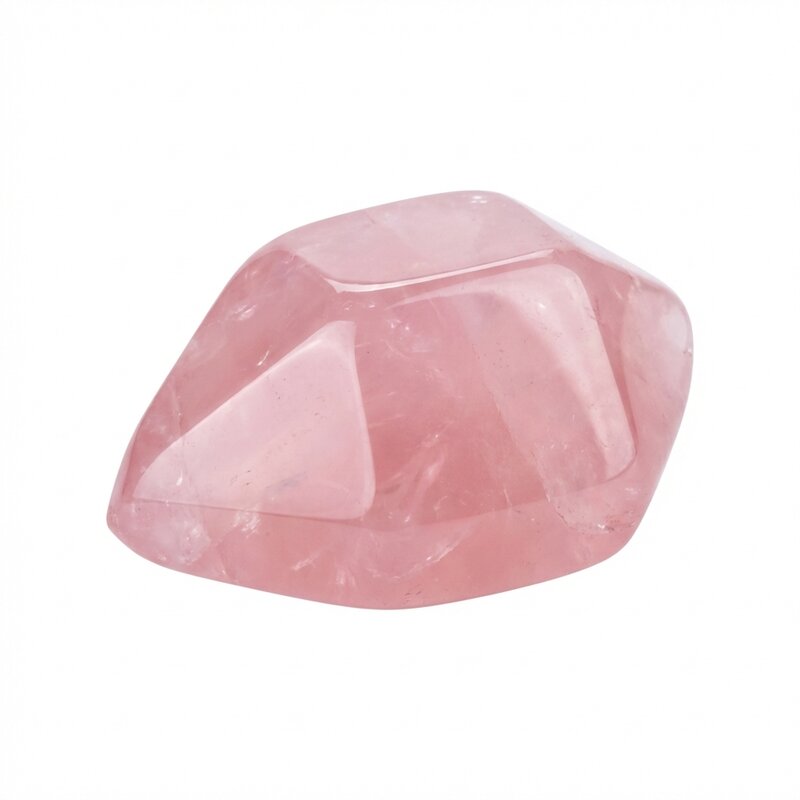
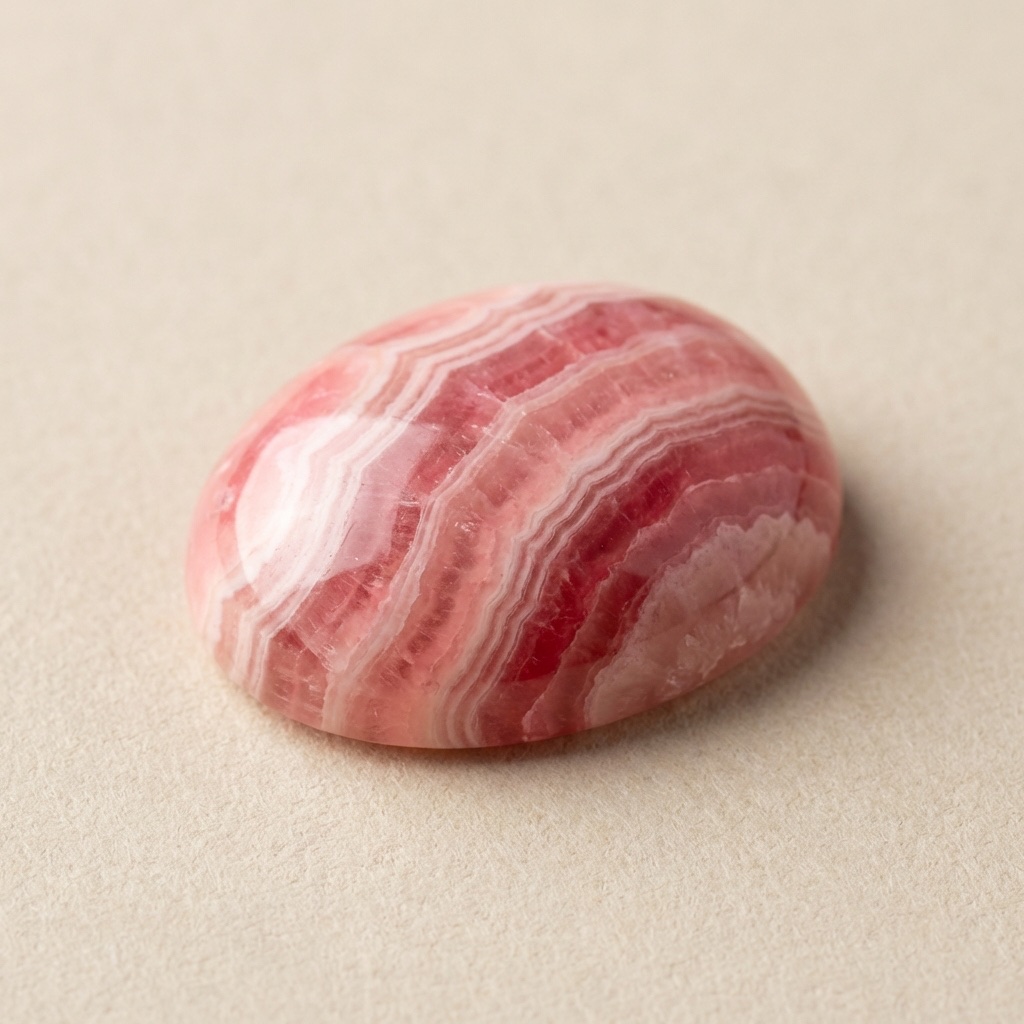
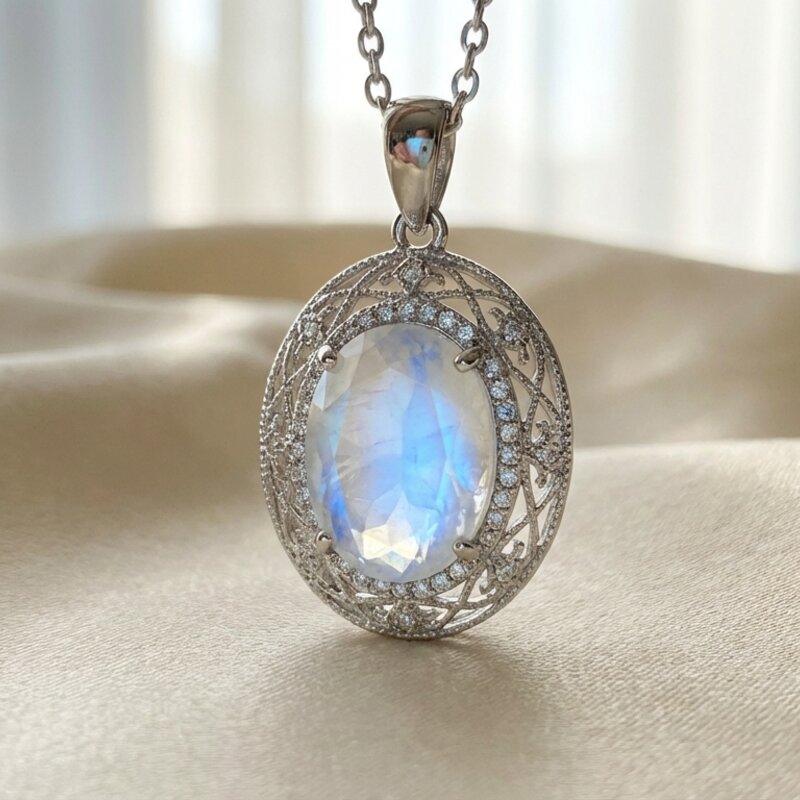
Its soft peach tone flatters most skin tones and looks especially lovely with rose gold and with 925 sterling silver. Morganite pairs well with rose quartz for tenderness, with moonstone for calm, lasting affection, and with rhodochrosite when old patterns need to be let go before a healthier relationship can begin.
Morganite as a gift
Morganite is a thoughtful gift for couples — an anniversary, an engagement, a wedding — because its meaning is about partnership on equal terms. It also suits someone at the start of a new chapter after a difficult relationship, as a quiet wish for something kinder next time, and it is a gentle, grown-up alternative to red roses on Valentine’s Day.
When choosing morganite, colour matters most: look for a clear, even pink or peach that feels warm and flattering to the wearer. Beads are often a little milky, which is natural; faceted stones should look lively and clean. If the gift is a surprise, a note explaining its meaning — and that it is worn on the left — turns it into something more personal. See our guide to meaningful crystal gifts for more ideas.
Caring for morganite
At 7.5 to 8 on the Mohs scale, morganite is a hard, durable gem that suits daily wear. Like all beryl it can still chip with a sharp knock, and inclusions can make some stones more fragile.
- Clean rings and pendants with warm, soapy water and a soft brush; for bracelets, wipe the beads with a damp cloth to keep the elastic dry.
- Store it apart from diamonds and sapphires, which can scratch it, and from softer stones, which it can scratch.
- Avoid heat and sudden temperature changes.
Take bracelets off before swimming and showering, and restring when the elastic loosens. For energetic cleansing, see how to cleanse crystals.
Crystal meanings are shared from tradition and folklore for reflection and enjoyment; they are not a substitute for medical or professional advice.