
What is lepidolite?
Lepidolite is a lilac-to-purple mica that contains lithium. Like all micas, it is built from thin, stacked sheets, which give it a soft, pearly shimmer and a gently glittering surface. Its name comes from the Greek lepidos, “scale”, after the small, scale-like flakes it forms. In crystal tradition, lepidolite meaning centres on calm: it is one of the stones most often chosen for quieter thoughts and restful evenings.
Lepidolite forms in granite pegmatites, often alongside pink tourmaline and quartz, and is found in Brazil, Madagascar, Zimbabwe and the United States; it was once mined as a source of lithium. The Chinese name 锂云母 (lǐ yún mǔ) simply means “lithium mica”. Its lilac colour is generally attributed to traces of manganese.
Lepidolite meaning
Lepidolite’s lithium content is often mentioned in crystal circles, because lithium compounds are used in medicine. It is worth being clear: the lithium in lepidolite is bound inside the mineral, wearing or holding the stone is not the same as taking any medication, and it is never a substitute for professional care. Its reputation as a calming stone belongs to crystal tradition, and that is where it shines.
In crystal lore, lepidolite is believed to soothe an overactive mind, quiet looping, repetitive thoughts and ease the way into sleep. It is traditionally kept close during times of change or pressure — exam season, a new job, a new baby — as a reminder to slow down and breathe. Its gentle lilac is linked with the third eye and heart chakras, and it is said to help emotions settle so that decisions come from a calmer place.
How to wear lepidolite
Wear lepidolite on your left hand, or place a piece under your pillow. In crystal practice the left side is the receiving side, so a lepidolite bracelet on the left wrist is said to help you take in its calm. Many people like to put the bracelet on in the evening as part of winding down, rather than wearing it through a busy, hands-on day that could scratch its soft surface.
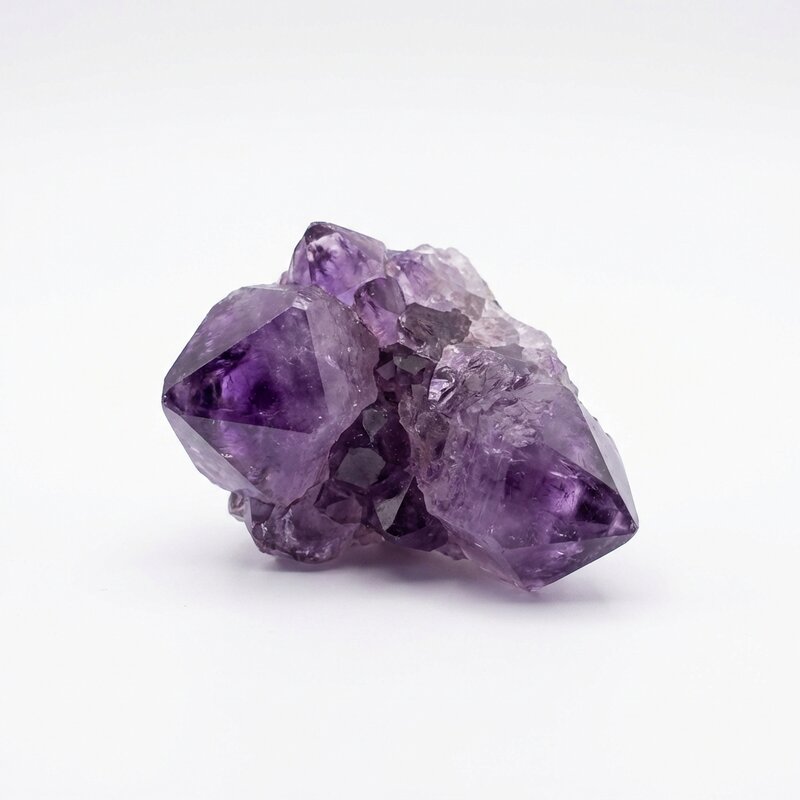
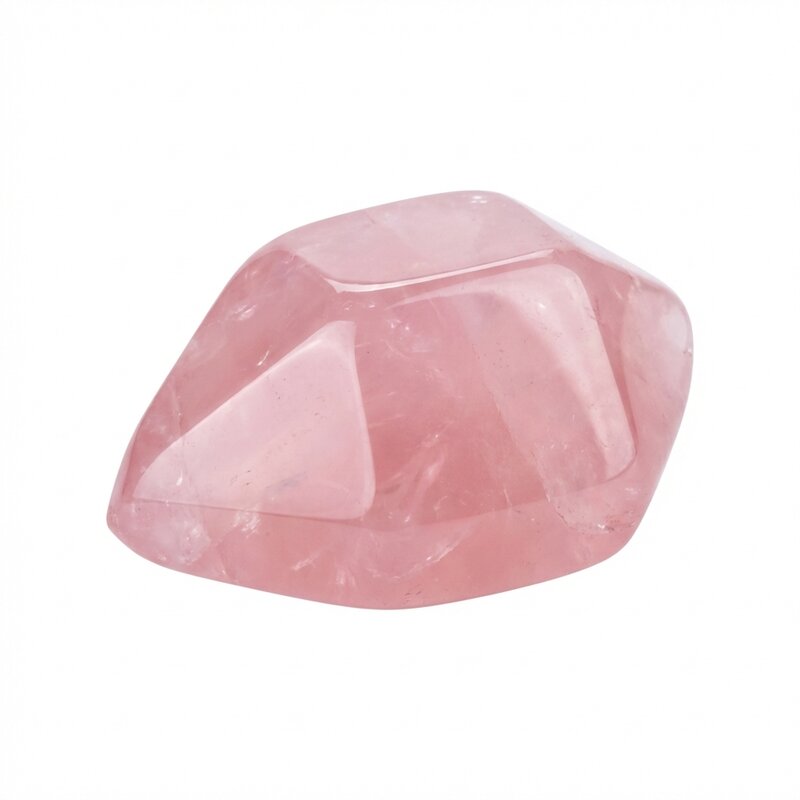
Lepidolite pairs naturally with other gentle stones. With amethyst it is a classic bedtime combination in crystal tradition; with charoite, its companion among our sleep and calm stones, for times of change; and with rose quartz for kindness towards yourself. Our guide to which wrist to wear a crystal bracelet on explains the left–right tradition.
Lepidolite at bedtime
Traditionally, lepidolite is placed under the pillow or worn on the left hand. A small tumbled stone under the pillow is the most common way; choose a smooth, well-polished piece so it will not shed tiny flakes onto your bedding. Some people prefer to hold it for a few minutes while breathing slowly, then set it on the bedside table.
Think of it as part of a wind-down ritual rather than a remedy: a cue to put the phone away, dim the lights and let the day go. In a city of late nights and full calendars, that small habit is often the most valuable part. If sleep problems or anxiety are affecting your daily life, please speak to a doctor; crystals can be a comforting ritual, but they complement professional care rather than replace it.
Caring for lepidolite
Lepidolite is soft — about 2.5 to 3 on the Mohs scale, so a coin or a steel key will scratch it — and its layered structure means it can flake or split along its sheets. It needs more gentle handling than most crystals.
- Keep it dry. Do not soak lepidolite or leave it in water or salt; wipe it with a soft, dry or barely damp cloth.
- Store it on its own. Keep it in a soft pouch, away from harder stones and metal that can scratch the surface.
- Wear it gently. Take a lepidolite bracelet off for hand-washing, swimming, the gym and housework, and restring it when the elastic begins to slacken in the humidity.
For cleansing, choose dry methods such as moonlight, incense smoke or sound; see our guide on how to cleanse crystals for more on each.
Crystal meanings are shared from tradition and folklore for reflection and enjoyment; they are not a substitute for medical or professional advice.