
What is lapis lazuli?
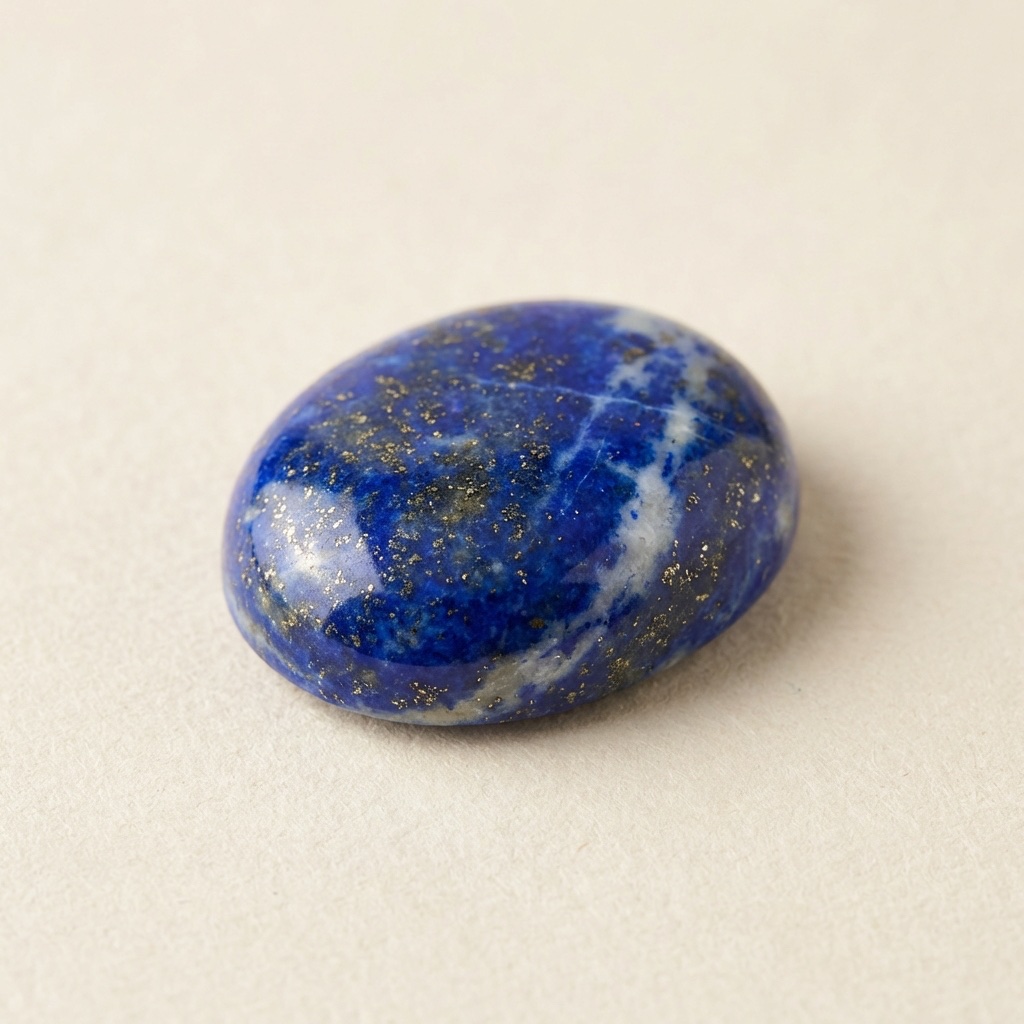
Lapis lazuli is the deep blue stone of wisdom and self-expression, and one of the oldest gem materials in human history. Strictly speaking it is a rock rather than a single mineral: its blue comes from lazurite, usually mixed with white calcite and glittering specks of golden pyrite. Those gold flecks against the blue have long been compared to stars in a night sky.
The finest lapis has been mined for thousands of years in the mountains of Badakhshan, in north-east Afghanistan; Chile and Russia are other sources. The name joins the Latin lapis, stone, with a medieval word for blue that shares its root with “azure”. In Chinese it is 青金石 (qīng jīn shí), “blue-gold stone”, a fitting description of its colour and sparkle.
Lapis lazuli meaning
In crystal tradition, lapis lazuli is a stone of royalty and wisdom. It is associated with self-awareness, truth and the confidence to express yourself without holding back, which is why it has long been considered an excellent stone for executives, leaders, teachers and anyone who speaks for a living. It is linked with the throat and third eye chakras, joining clear speech with insight.
Its royal reputation is well earned. In ancient Egypt, lapis was set into jewellery, amulets and carved scarabs, and it is among the stones inlaid in the golden funerary mask of Tutankhamun. Ground into powder, it later became ultramarine, the costly blue pigment used by Renaissance painters. In China, lapis was among the stones used for Qing dynasty court beads, its deep blue associated with the heavens.
How to wear lapis lazuli
Wear lapis lazuli on your left hand or as a necklace. In crystal practice the left side is the receiving side, so a lapis bracelet on the left wrist is said to help you take in its wisdom and composure. A necklace brings the stone close to the throat chakra, the traditional placement for confident, honest speech, and is a good choice for a presentation, a negotiation or an important conversation.
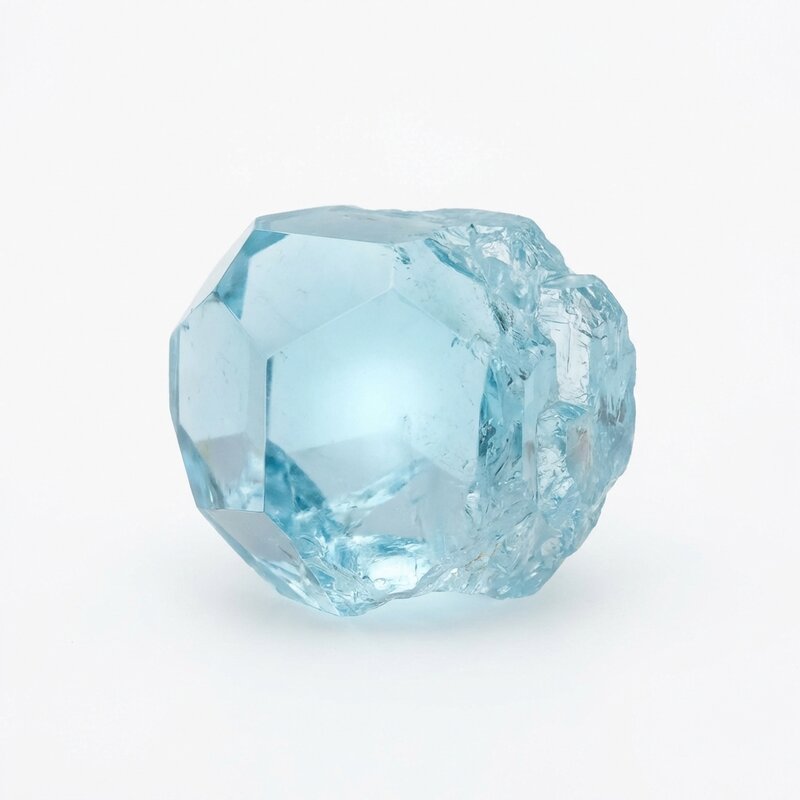
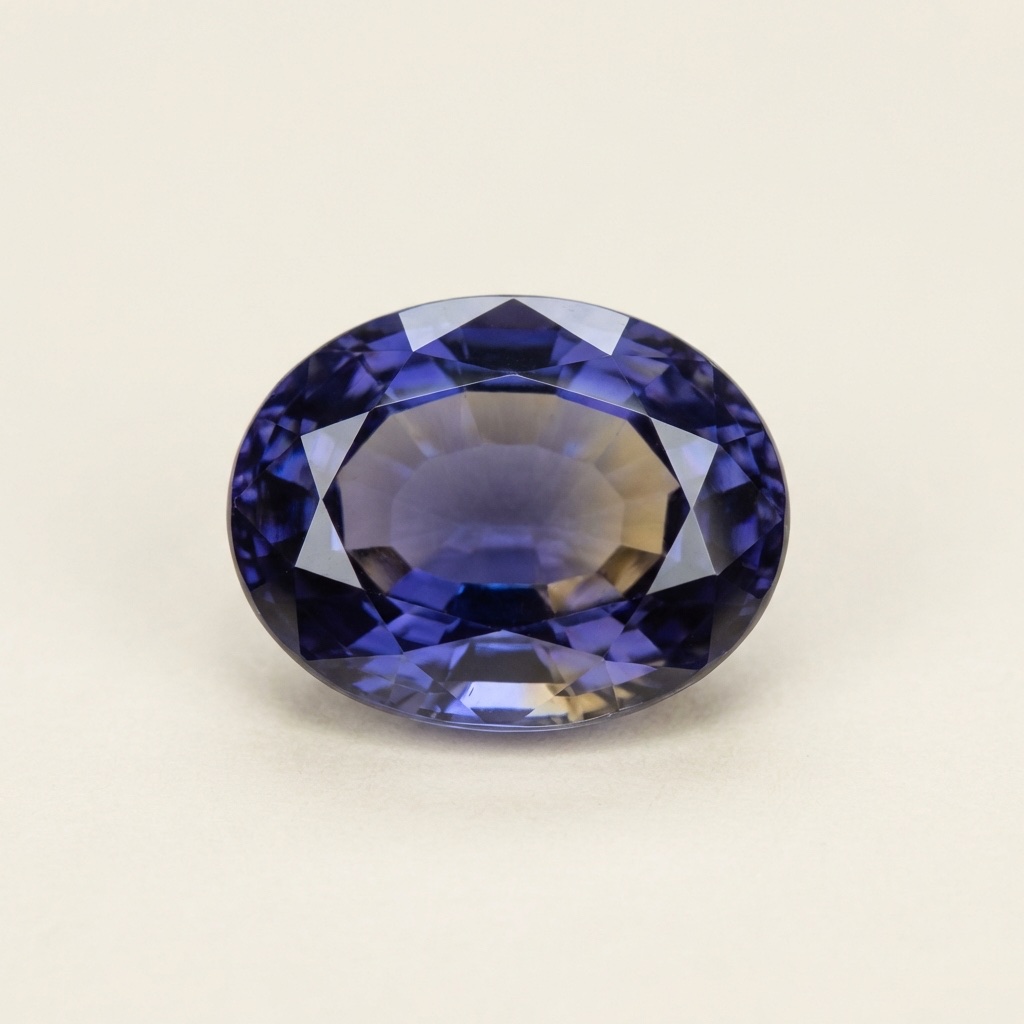
Lapis pairs naturally with other blue stones: sodalite for clear thinking, aquamarine for calm communication and iolite for perspective. Its gold flecks also make it a handsome partner for citrine or pyrite in a strand for career and leadership. Explore our crystal necklaces for pieces worn close to the throat.
Choosing lapis lazuli
The most valued lapis is an even, intense blue with light gold flecks and little white calcite. Stones with more calcite look paler or streaky and are usually more affordable; they are still genuine lapis. Because the rock is slightly porous, lapis is often waxed or oiled to deepen its colour, and lower grades are sometimes dyed.
It is also worth knowing the imitations. So-called “Swiss lapis” or “German lapis” is dyed jasper, and dyed howlite is sometimes passed off as lapis too. A very uniform, inky blue with no pyrite at a low price deserves a question. Sodalite, often confused with lapis, is a lovely stone in its own right; it simply leans towards a more violet blue with white veins and rarely shows gold flecks.
Caring for lapis lazuli
At about 5 to 5.5 on the Mohs scale, lapis lazuli is softer than quartz and can scratch or dull with rough wear. Its calcite content also makes it sensitive to acids and chemicals.
- Keep chemicals away. Put on perfume, lotion and sunscreen first and let them dry before wearing lapis, and keep it away from household cleaners.
- Wipe, do not soak. Clean with a soft, slightly damp cloth and dry it at once. Avoid soaking, salt water, and ultrasonic or steam cleaners.
- Store it separately. Keep it in a soft pouch away from harder stones, and take it off for swimming, showering and the gym; in Singapore’s humidity, sweat and water are hard on both its polish and bracelet elastic.
For cleansing, dry methods such as moonlight or incense smoke suit lapis best. Our cleansing guide explains how.
Crystal meanings are shared from tradition and folklore for reflection and enjoyment; they are not a substitute for medical or professional advice.